My take on the Gary Brecka talk as a Pharmacist (note: I had never listened to anything of Gary’s prior to this talk)
We live in a time where wellness has become both art and aspiration — beautifully branded, endlessly shared, and often followed more like a lifestyle than understood as a science. In a world of green powders, health trackers, and “biohacks,” it’s hard to tell what’s real and what’s not (which was exactly why I started this newsletter). Amid all the noise, we forget that true health has always rested on one simple principle: balance.
AI generated image of ‘low stress, high vibe wellness idea’. Pinterest
That was my biggest takeaway from Gary Brecka’s talk last week. His energy on stage was admirable, his scientific ideas simplified so beautifully into digestible messages, and his conviction about his view of health and wellness unwavering. But as I sat there — eyebrows furrowed one moment, nodding the next, half intrigued and half sceptical —I kept returning to one word that underpins every biological system: balance. Our bodies are designed to return to equilibrium. Veer too far left or right, and even the best intentions can cause harm. The irony of our modern wellness age is that in our quest to be our healthiest selves, we often lose sight of what health actually is: a dynamic balance between nature and nurture, modern medicine and ancient wisdom, evidence and intuition.
We live longer now than at any other point in human history. We rarely hear of deaths from infections that once wiped out villages. Yet we’ve become so privileged by our progress that we sometimes dismiss it—labelling modern medicine practices as “Big Pharma” and sceptical about the intentions of those who practice and deliver it. Modern medicine, or evidence-based medicine, is the discipline of applying the best available scientific research to patient care—while respecting human values and the realities of healthcare systems. In other words, modern medicine isn’t a product of “Big Pharma”—it’s a framework born from centuries of scientific progress and moral consideration. It’s the balance between compassion and calculation, between what heals one person and what safeguards the many. The wellness world, on the other hand, often positions itself as the antidote to this system. Sitting through Gary Brecka’s talk reminded me that I shouldn’t be thinking ‘what side I am on?’. Because there shouldn’t be sides in the first place. With a rational and balanced approach, the two can exist at once, and in fact when they do, the outcomes can be improved.
Here are my evidence-based takeaways from his talk. Whether they serve as food for thought, spark new curiosity, or reshape how you approach your own health—I hope they help you stay informed.
Health
Humans, decoded
Gary has started a movement in the genetic testing space. He has empowered millions of people to understand their gene, in particular, how methylation testing can tell you how your body processes nutrients. As a pharmacist, I know this is the future of how we practice medicine – and truthfully, I am so excited about it. We are increasingly finding ways of tailoring treatments as we continue to understand that ‘one size does not fit all’. One such way is the area of Pharmacogenomics, which is the study of how your genetics affects your body’s response to drugs. I think of it like…knowing what the weather forecast will be before leaving home. These tests make you informed about which medicines work well in your body, which ones don’t work well and which ones don’t work at all. Yes! Your genetics could be the reason this pain killer works better for you, than it does for your friend/partner etc. If you want to learn more about pharmacogenomics, comment below.
Wellness — The Longevity Mindset
Gary’s signature topic—longevity—is about more than living long. It’s about living well for longer. Biohacking, in his world, means optimising the inputs (sleep, oxygen, movement, nutrition) to enhance the outputs (energy, focus, lifespan). But this fancy word doesn’t require fancy gadgets. You don’t need hyperbaric chambers, IV drips, or $200 supplements to hack your biology. As always, it’s the small, consistent habits that count. One of my favourite ways to do this is through habit stacking—pairing a new behaviour with something I already do. Here’s how I “biohack” my day, without overhauling my life:
1. Sunlight before screens – Reset your circadian rhythm naturally.
If you wake in a dark room, this one’s tough. I’ll admit, I’ve been guilty of scrolling before getting out of bed. But I once heard Mel Robbins say: “When your alarm goes off—get out of bed now.” That militant messaging stuck with me. If you’re less inclined toward discipline, move your phone across the room. When your alarm goes off, you’ll have to get up—and at that point, you’ve already done the hardest part. Note, this only works if you DON’T go back into bed!
I used to wake up with the sun streaming through my floor-to-ceiling windows, and my internal body clock was so in tune with the sun. I never needed an alarm. Then I got married… and blinds entered my life. I’m still campaigning for natural light mornings (and I think I’m close to winning this one!). But that experience taught me how powerful sunlight is in syncing our biology with nature.
Me waking up in natural light, in another lifetime
2. Breathe deeper, not faster – Oxygenation matters more than intensity.
a. My long-standing relationship with pilates along with the odd (but very powerful) breathing classes, comes into play here. My instructors words come into mind here: “Deep breath in through the nose, expanding your ribcage as if its going to explode, hold for 3 seconds, and out through the mouth”. If you are up for something new, different and truly invigorating: I highly recommend The Breath Haus.
3. Eat real food – Your mitochondria don’t understand barcodes.
a. Choose whole foods, always. If there are more than 5-7 ingredients in the packet of whatever that is in your hand at the supermarket, re-think what you are buying. I always ask myself – how will this nourish my body? What will my beautiful little cells floating around my body do with this [insert your desired food choice]? It’s the small thought processes that change your food intake from mindless to being mindful.
Yes, whole foods take more time to prepare—but choose your time investment wisely. Processed foods save minutes now, yet steal vitality later. Whereas, whole foods ask for patience (for me, it’s every Sunday for 3 hours), but they return it in energy, longevity, and life itself.
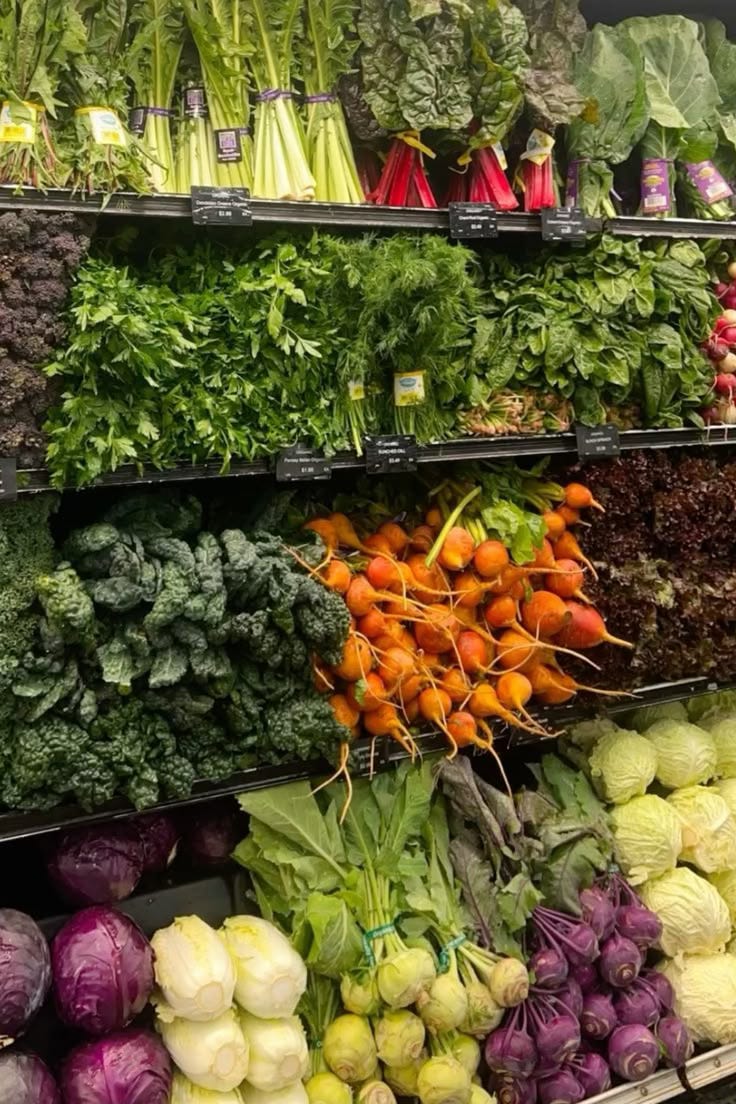
What your fridge should look like
4. Sleep like it’s medicine – Because it is!!!
a. We are increasingly understanding the importance of sleep for rest, rebuilding and reenergising. If you struggle with sleep, it is not normal. Speak to your healthcare professional. Take the time to fix any bad habits you may have accumulated over your time. This is one area where prevention really is the best cure.
5. Move daily, with intent – Not to burn calories, but to move and stretch your body and organs.
a. Find your thing – whatever it might be, that gets you moving. Do it every single day for 3 weeks straight. After each time, take a moment to reflect on how you feel, inside and out. That will be the thing that keeps you going back for more.
These are not hacks; they’re habits. And they’re free.
Beauty
Can You Eat Your Skincare?
One of my favourite moments of the night was when Gary declared, “You can’t eat your collagen!”
It was a relief to hear that from a wellness guru with a 2+million follower cult —because it’s true, and I was already meaning to write about this for you in this newsletter! Let me explain why: imagine posting a love-letter to your skin, but it has to go through a postal depot (your liver) before reaching its destination. That’s what happens when you ingest collagen—it’s broken down in digestion before your skin ever gets the message. Bye bye love letter.
Now, that doesn’t mean your collagen supplements is completely useless; it may provide amino acids your body can repurpose! But if you’re expecting your smoothie to erase wrinkles, it’s like expecting a text message to deliver a hug. It’s time to rethink what you’re ingesting, and start choosing your products with purpose. This is one supplement I’d rather find in whole-food form (see habit number 3 above) — think a bone broth on an empty stomach every morning or a piece of steak for dinner. Your body recognises nutrients best when they arrive the way nature intended.