
Inside & Out
Issue 2

Health
How many microplastics are on your plate?
They’re in our oceans, food, water bottles, and even the air we breathe. Microplastics are tiny plastic fragments, less than 5 mm to be exact, that are becoming almost impossible to avoid. Recent post-mortem studies show they’re not just in the environment; they’re even being found in human blood, lungs, and even the placenta.
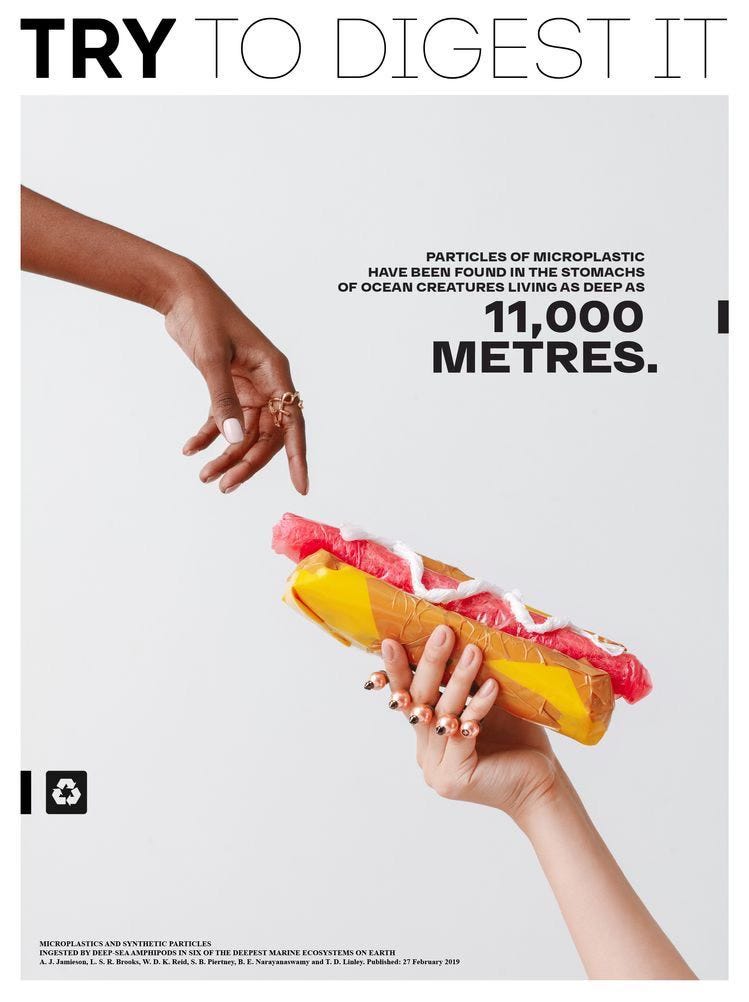
But what does this actually mean for our health? Research is still being pieced together, but scientists suspect microplastics trigger inflammation, oxidative stress, and cause disruptions to hormone balance. As these particles can carry other chemicals or heavy metals, the concern becomes less about “plastic” itself and more about the cocktail of toxins being the passenger princess and finding their way into our bodies and the environment.
The good news is you can do something about it. While we can’t eliminate exposure completely, small changes may reduce our intake:
1. Choose stainless steel or glass over plastic
a. Drink bottle, your first and immediate step if you are still drinking water from a plastic bottle
b. Food storage containers, https://amzn.to/3KnCw7W these are the ones I bought, perfect for a household of two
c. Coffee cups, yes, your coffee lid is plastic and with the heat and your constant sipping from it…microplastics are leaking into your coffee and then into your body
d. Kitchen utensils, throw out the plastic pronto. Yes, that includes your chopping board - switch to bamboo
2. Avoid reheating food in plastic containers or even food wrapping
a. The best analogy is this, think of all those microplastics in your plastic container or Glad Wrap® seeping into your dinner…would you like a side of plastic with your steak?
3. Opt for fresh produce when possible — microplastics are common in packaged, processed foods
4. Be mindful of seafood, as fish and shellfish are known to accumulate plastics. Authors of the study I linked below ‘don’t recommend avoiding seafood because microplastics have been widely found in meat and produce, so changing eating patterns wouldn’t help. They did find that rinsing the seafood could reduce levels.’
But the question remains, what can we all do to actually reduce microplastic exposure to our oceans and environment and help lighten the plastic load?
Washing machines have been linked as a huge contributor to microplastic exposure in oceans. Sustainable acts such as being mindful with what you wash and how often you wash goes a lot further than we think. Beyond our oceans, the longevity of our clothes also extends the less we wash them! Of course, this is highly dependent on the item of clothing.
Actually – should this be a topic I talk about in the next newsletter? I recently purchased an item of clothing which came with an instruction manual for its washing. I learnt some amazing tips from it.
Reduce your plastic use when shopping. The produce section of the market and grocery store still have plastic bags to put your items in. Perhaps opt for reusable cloth bags for your produce instead? I use these: https://amzn.to/48DTE3f
I guess we still don’t have all the answers, but we do have some. And that is that microplastics aren’t good for our health nor the environment. Think wisely.
Extra reading if you wish:
2. https://www.nytimes.com/wirecutter/blog/silicone-kitchen-gadgets-tips-alternatives/
3. https://www.theguardian.com/us-news/2025/feb/03/seafood-microplastic-contamination-study
Wellness
Eating our way to longevity
Whilst we know we can’t control all of our genes (comment below if you are surprised to hear that), but we can control what we put on our plate. And no I am not talking about being on a GLP-1. For the first time, the mindset has shifted from ‘wanting to live longer’ to extending a healthy lifespan. This is where ‘longevity cuisine’ comes into play. This movement represents a delicious rebellion against ultra-processed foods with even resorts and destinations turning to turning, nutrient-dense ingredients. Science and data continue to tell us that ultra-processed (I’m talking crinkle-cut chips, lollies, chocolate and essentially anything that contains more than about 10 ingredients on the packaging, by my standard anyway), are associated with as high as a 20% increased risk of death from any cause. (If you wish to read more about this study)
So, what’s on the longevity menu? Yes, you could put together an entire menu based on the research that has been done around the foods eaten by those who live the longest around the world! It is no surprise here that the easy of consuming ultra-processed foods is OUT, and heritage eating is gaining momentum. The meditteranean diet is at the forefront of this nutritional renaissance. Menu please!
1. Plant-based options
a. Beans, lentils, and whole grains dominate with meat being eaten sparingly
2. Healthy fats
a. Olive oil, yoghurt nuts, and fatty fish for brain and heart health
Golden Groves Olive Oil is my pantry staple. I can trust how it is sourced, made and gets from the olive tree into the bottle
c. My favourite nuts: Brazil nuts and walnuts
d. Because I don’t eat near as much fish I should be to meet my omega-3 intake, this is where a supplement may be useful
3. Moderation
a. Meals are smaller, often finished before evening – I am a major advocate for a 5PM dinner reservation!
4. Rituals around food
a. Meal eating is an event – it is slow, with friends and family around, and savoured — not rushed
Not sure where to start with dinner ideas? This is a great book to have on hand with delicious and easy recipes, which may add to your lifespan (and hopefully not your waistband!)
Longevity eating is not meant to be a structured, rigid diet that requires a heap of your time or purchasing of superfoods. It’s about all the small decisions you make to empower your health – the consistent, balanced choices that nourish body and mind. Take it slow and steady, just like your meals. It might be that you start to swap red meat for lentil soup a few nights a week, or replacing that afternoon pick me up chocolate treat with a handful of nuts. Over time, the effects of those swaps add up to years on your life.
Beauty
Mindful Beauty Using Natural Treatments
I recently had a facial at Grown Alchemist. But it wasn’t just another skincare treatment. My appointment extended beyond the one hour of bliss I had in a dimly-lit room with my face being traced, patted (lympathic drainage massage) and nurtured. It served as a reminder that beauty can be (actually, should be) intentional, nurturing, and rooted in integrity. There is much noise in the beauty industry right now. Products are being developed by celebrities, influencers and entrepreneurs. So much so, that it is getting increasingly difficult to trust a brand (note: this feeling is particularly high after you experience an adverse reaction to a product).
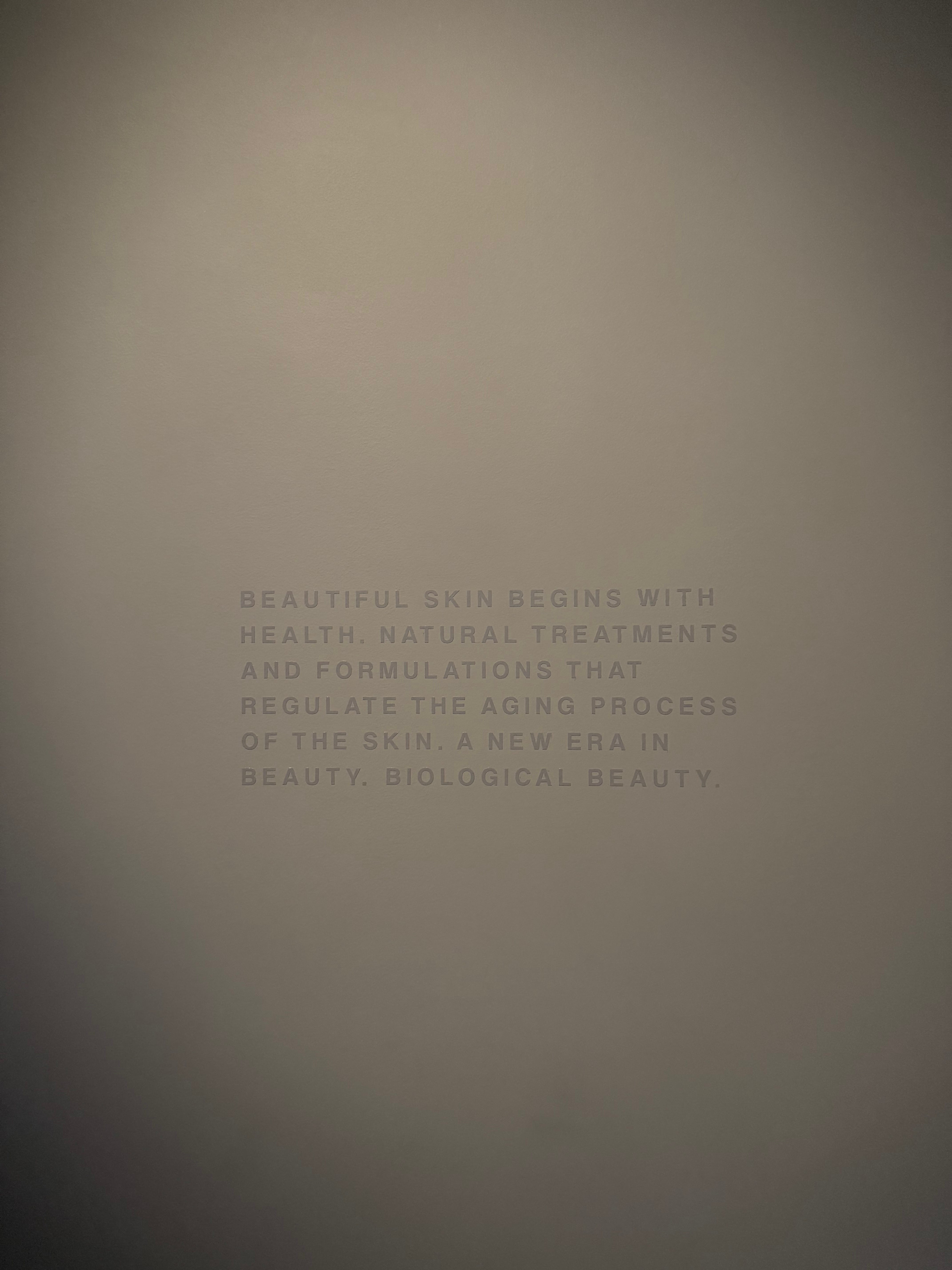
However, the Grown Alchemist philosophy is refreshing and holistic, “The alchemy of total skin health.”
They create:
Botanical + bioactive ingredients: Grown Alchemist builds formulas around actives including antioxidants, peptides, botanicals, and plant-derived compounds, not just ingredients that act as fillers and later clog your pores and cause unnecessary breakouts, disrupting your skin barrier
Minimal, clean formulations: Their products focus on components that matter — ones that assist skin function, guard against oxidative stress, and maintain barrier health.
Their approach recognises skin as an ecosystem, not just a surface. They treat skin as something alive and responsive, and the goal is to support how skin wants to function, rather than pushing aggressive actives. But the magic also came in the experience: the slow, sensory nature of the facial. I remember breathing in subtle botanical scents, feeling each touch, noticing how my skin interacted with the product. It wasn’t a race nor were the products aggressive. It was quiet. It really felt like a ritual.
As consumers, I believe we hold the power to turn the noise down in this very noisy ‘beauty’ industry. Next time you choose a skincare product, take a moment to pause. Flip the label. Ask yourself:
Why am I buying this?
What will these actives do for my skin?
Does my skin need this?
Thank you, Grown Alchemist for the reminder that beauty isn’t in the more — it’s in the considered choices we make, better alignment to what our skin really needs and the need for a little more presence.
Not sponsored. Just really enjoyed my facial!
I loved reading this! Would love to read more about microplastics in clothing and what natural fibres we should look for 🤍
Yes - part 2 on clothes 🤍