
Same same, but different
Issue 6

If health, wellness or beauty advice came with a disclaimer, it should read: “Results may vary.” We pick up new medicines, supplements, diets and skincare as if they work the same way for everyone, but biology doesn’t play by that rule. Our bodies have their own rhythms, enzymes, and quirks that make every response personal.
This week, we’re exploring what happens when we stop looking for a universal fix and start paying attention to what works for us.
Health
Why do medicines work differently for different people?
Imagine two people taking the same tablet for pain relief — one feels relief within 15 minutes, and the other barely notices a difference. It sounds familiar, doesn’t it? There’s a reason for this and it’s down to the differences in how our bodies work. Or rather, how they work differently. How we absorb, metabolise, and eliminate medicines depends on dozens of variables that are unique to us; including liver enzyme activity, gut health, diet, and even age. For example, the liver enzyme ‘CYP2D6’ in one person can cause the rapid metabolism and clearance of codeine (a strong pain reliever), while another hardly converts it into its active form at all, meaning it produces virtually no effect in them!

In healthcare, this variation is seen daily where one-size-fits-all prescribing often doesn’t fit anyone perfectly. This individuality isn’t just about genetics, but lifestyle and environment too. Sleep quality, stress, diet, gut microbiome, and even exposure to pollutants can all influence how the body processes medicine. Someone who drinks coffee regularly, for instance, may metabolise certain drugs faster because caffeine activates the same liver enzymes. A high-protein diet can speed up clearance of some medicines, while alcohol or nutrient deficiencies can slow it down. Even the bacteria (or lack thereof) in your gut can modify medicines before they reach your bloodstream! When you start to see how all these factors intertwine, it becomes clear that medicine isn’t a static science - it’s a living dialogue between your body and its surroundings.
If you have ever felt that a medicine “didn’t work for you”, pay attention to your body’s response. Was it on an empty stomach? Did caffeine, supplements, or other medicines overlap? Keep a diary of theses signs if its bothersome for you - note the time, how you felt and what you ate/drank around it. You will start to see how your body responds. Self awareness is the first step toward personalised care.
Wellness
The routine that works for you, does not work for me.
We’ve all heard about that “life-changing” exercise or routine or supplement from a friend, that did absolutely nothing for us. That’s because wellness, like medicine, is not a template! Wellness is a state of being between the choices you make for your health which form your habits, and your biology. Your metabolism, hormone balance, and stress responses shape how your body reacts to the same stimuli. And that’s what makes you – unique. Where intermittent fasting stabilises one person’s energy for the day ahead, it can also send another’s cortisol through the roof! Even though a routine is ‘popular’ or ‘trending’, it doesn’t mean that it is right for you.

Remain mindful when hearing about new routines and remember that what works for someone else might not work for you. It’s okay to pick up new routines because it is the only way you learn what works for you and what does not, but in the process, try collecting feedback from your own body. Track how you actually feel after meals, workouts, or supplements, noting your energy, digestion, sleep, and mood which are usually the best metrics you have. Over time, you’ll start spotting patterns: what gives you steady energy, what triggers fatigue, what truly helps you reset. That’s how you turn noise in the wellness space into a beneficial routine that is right for YOU.
Beauty
Why the same product works differently on you.
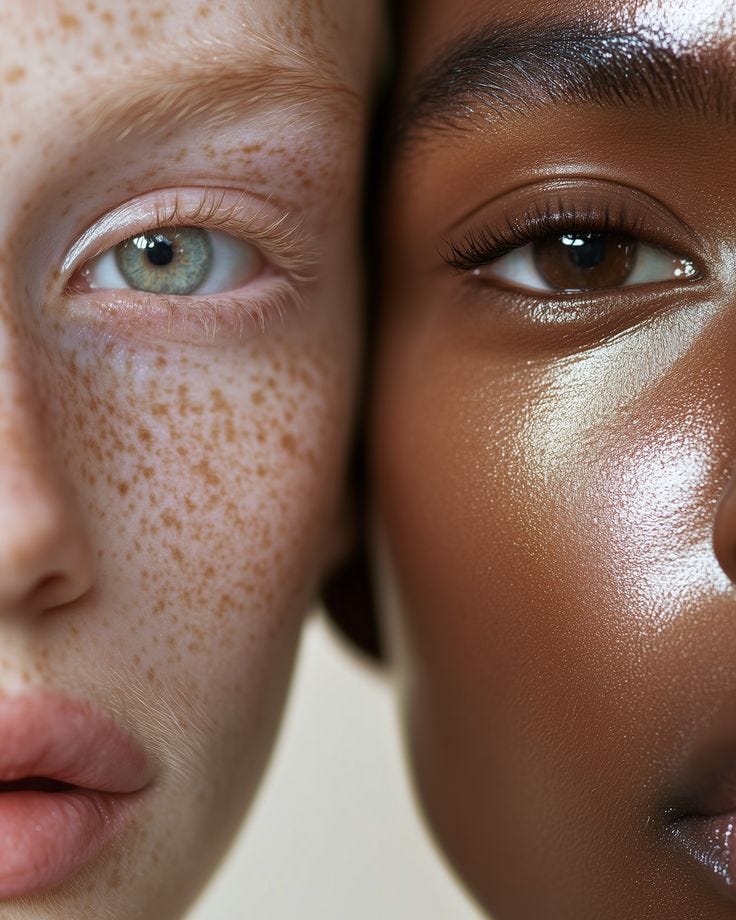
I often describe the skin as a busy city — home to a diverse population of citizens (bacteria, fungi, and viruses), supported by a strong infrastructure that forms its protective barrier, and governed by its own unique climate of oil and hydration. No two ‘cities’ are exactly alike. The unique build of yours determines how your skin responds to different ingredients. Beauty isn’t one-size-fits-all — sometimes it takes time to understand what works best for your skin, and at other times, it’s about strengthening your ‘city’ so it becomes more resilient to what you put on it.
One simple way to learn what your skin likes is the inner-arm test. Try the test before adding anything new. Apply a pea-sized amount of product to the inside of your forearm once a day for 1-2 days. Monitor your skin throughout the day, then use a gentle cleanser to rinse off the product. If you have any adverse reactions, such as skin irritation, redness or itching-sensations, rinse off product immediately and stop using it. If it stays calm, you can safely introduce it to your face - ideally one new product at a time.
(The inner-arm test is a simplified version of the ‘Open Application’ test which I would recommend to anyone with super sensitive skin to carry out before trailing a new product. Read more here: https://dermnetnz.org/topics/open-application-test).
Another fab read 🤍