
The Beauty Breakdown
Issue 5

Welcome to The Informed — a newsletter for people who want more from wellness than marketing. Written by a pharmacist, it’s where health, beauty, and evidence meet. Each week, I sift through the science, trends, and noise to bring you clear, credible insights — minus the pseudoscience.
If you’re new here, The Informed is about empowering your choices — from the vitamins you take to the skincare you trust.
This week, we’re taking a closer look at the topics that are making headlines, and filling the beauty world with noise!
Health
The Nail Polish Ban — What’s Really Behind It?
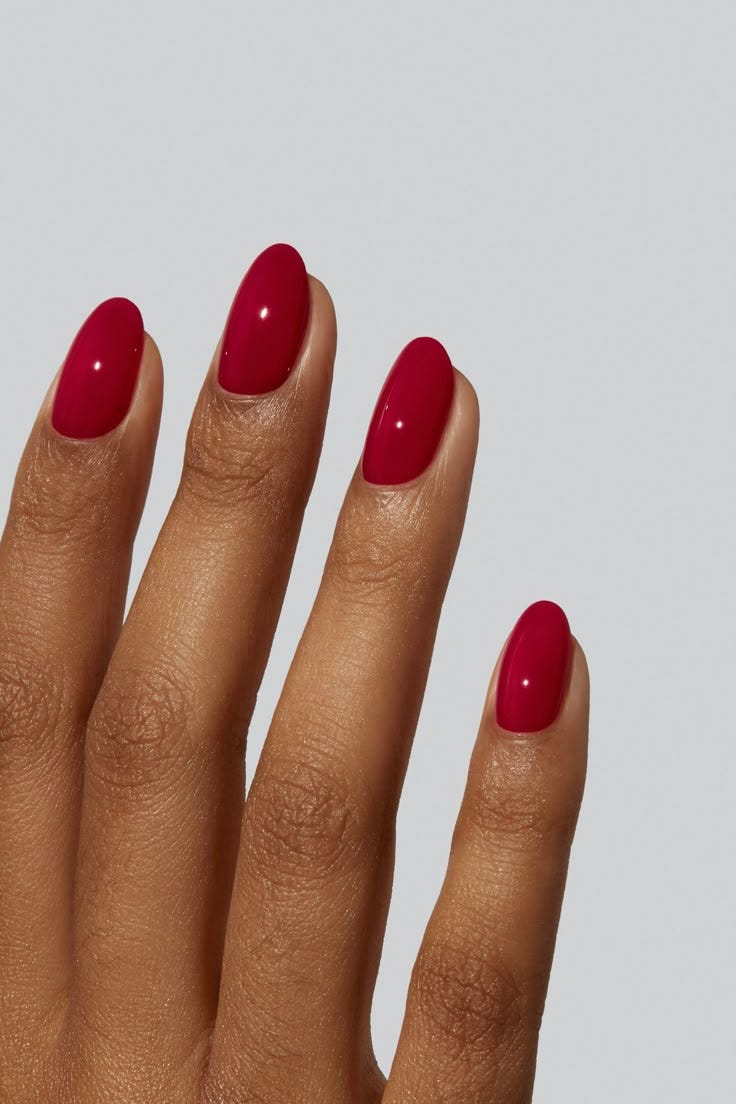
Gel manicures have become a weekly ritual for many — glossy, chip-free nails that survive everything from scouring dishes to Pilates. Nail salons now even outnumber banks on many streets! However, the recent European ban of an ingredient in gel polish, is forcing us to stop and ask: how safe is our favourite beauty habit?
The EU recently announced a ban on trimethylbenzoyl diphenylphosphine oxide (TPO) — a chemical known as a photoinitiator that helps gel polish harden under UV light — after animal studies raised concerns about potential reproductive effects at high doses. Experts have come out emphasising that this is a precautionary move — the effects seen in animals occurred at much higher doses than those encountered in salons. However, researchers have raised concern about cumulative exposure among nail technicians, and inconsistent product labelling — with some imported polishes found to contain undeclared TPO despite being marketed as “TPO-free.”
TPO joins a growing list of ingredients commonly found in nail polish that are coming under scrutiny. In 2021, HEMA, another gel polish component, was restricted from sale in DIY nail kits after reports of allergic contact dermatitis — painful redness, blistering, and swelling seen in both nail salon customers and staff. Cases remain rare, but serve as a reminder that the products we apply to strengthen and beautify nails can also sensitise or damage them if used incorrectly.
Bottom line is that you do not need to swear off manicures altogether — but it does mean choosing wisely.
The safer manicure checklist:
Opt for LED lamps instead of UV
Apply SPF to your hands before curing, and
Skip cuticle trimming, which removes a natural barrier against bacteria and fungi.
Pharmacist’s note: Like most beauty trends, gel nails aren’t inherently dangerous — it’s all about informed choices, good hygiene, and giving your nails time to breathe between treatments will keep both beauty and biology in balance.
Wellness
The great blue-light myth.
Our screen-filled lives have made us the first generation to live under constant blue light exposure – from phones, laptops and LED lights. Its only natural that we’ve turned to gadgets to solve a problem created by…other gadgets. Insert blue light glasses, marketed as the modern-day remedy with lenses that promise to block harmful light, ease eye strain, protect the retina, and help us sleep better. But according to research led by the University of Melbourne and published in the Cochrane Database of Systematic Reviews, the science actually does not match the hype.
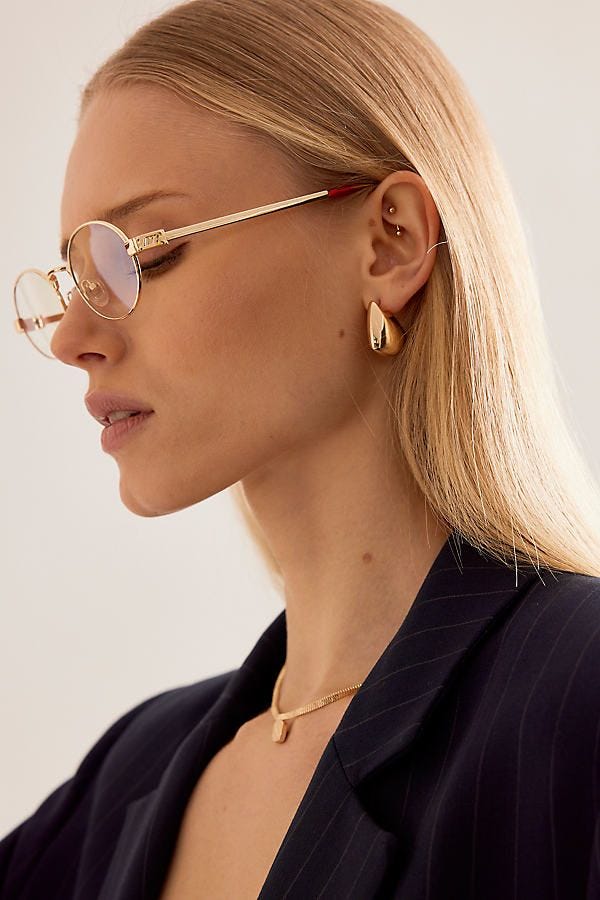
Across 17 randomised controlled trials (the gold standard of research) involving more than 600 adults, blue-light filtering lenses showed no short-term advantage in reducing eye strain, improving visual performance, or enhancing sleep quality compared with standard lenses. The review also found no clear evidence that these lenses protect against retinal or macular damage — a claim often used in the marketing of these glasses.
Researchers note that digital devices emit only a fraction of the blue light we receive from sunlight, and most “blue-blocking” lenses filter out just 10–25% of it. To block more would require a noticeable amber tint that changes colour perception. So, while these lenses are unlikely to cause harm, they may simply not be doing as much as advertised.
Tip: Experts say the best remedy for tired or strained eyes is better habits: blink often, follow the 20-20-20 rule (every 20 minutes, look 20 feet (6 meters) away for 20 seconds), balance lighting, and take regular breaks.
Pharmacist’s note: Blue-light glasses might be stylish, but the evidence behind their health benefit claims doesn’t add up. The best protection for your eyes is still rest, hydration, and a little time off-screen.
Beauty
Do you need a hair/skin/nail supplement?
Vitamins and minerals are essential for health — but when it comes to glowing skin, shiny hair, and strong nails, the truth is less glamorous than the marketing on the product you’re holding.
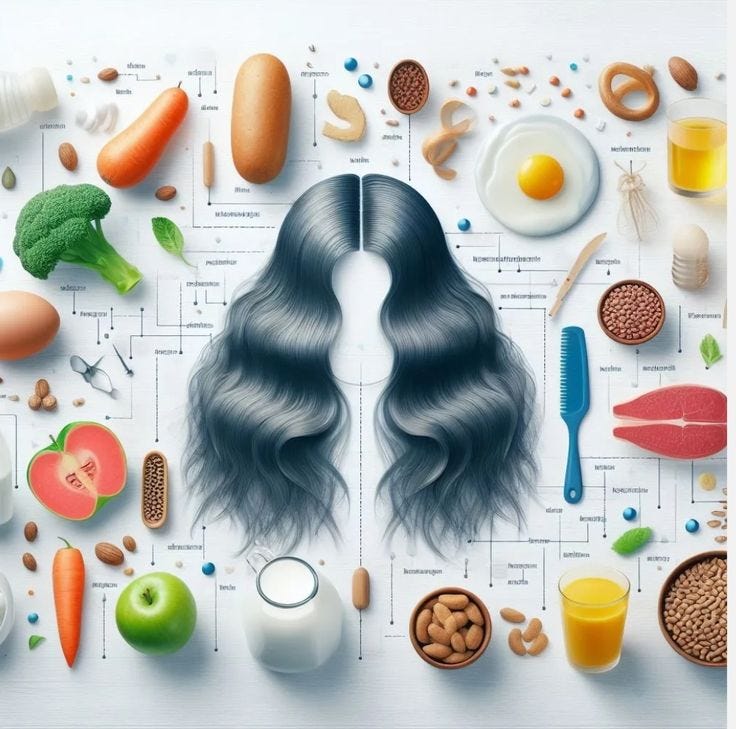
Australian dermatologists and pharmacists agree: if you’re healthy and eating a balanced diet, you’re probably getting all the nutrients your skin needs from food. Leafy greens, eggs, fish, nuts, citrus, and fortified dairy = vitamin A, biotin, collagen-supporting amino acids, and omega-3s! If you have a diet rich in these foods, then the supplements are duplicating what’s already on your plate.
Supplements (quite literally as the name suggests) are particularly helpful if you’re deficient or not meeting your recommended daily intake, particularly for iron, vitamin D, zinc, and B12 which are common culprits behind brittle nails, dull skin, or hair shedding. But…they can also cause harm if taken unnecessarily or at high doses. For example, Vitamin A is unsafe in pregnancy, and biotin can distort thyroid and heart blood tests.
In Australia, these products are regulated by the Therapeutic Goods Administration (TGA) as listed medicines. Take a look at your supplements at home, they should have ‘AUST L xxxx’ on them — meaning they must meet safety and manufacturing standards, but don’t need to prove clinical efficacy before sale. So marketing can outdo evidence.
Your Supplement Checklist
Before you add a supplement to your cart, ask yourself these five questions:
Does it have an AUST L or AUST R number?
This means it’s listed or registered with the TGA — Australia’s medicines regulator. No number? Skip it. Most products in Australian pharmacies are TGA registered!Is it from a reputable Australian brand or pharmacy?
Avoid unverified online sellers and overseas imports. Counterfeit and contaminated products are common in the supplement market. They are often uncontrolled and may even contain higher doses than what is commonly used.Do I actually need it?
Supplements should correct a deficiency, not replace a healthy diet. Ask your GP or pharmacist if you should test levels of iron, vitamin D, zinc, or B12 first.Could it interact with my medications or health?
Vitamin and herbal supplements can interact with other medicines you be may be taking or with a health condition you suffer from, always check with your pharmacist before starting.Does the product promise instant results?
Put it down! If it promises instant glow or “anti-ageing from within,” it’s likely selling hype, not health.
Thank you for reading The Informed. If you enjoyed this weekly newsletter please share with someone else who may enjoy it.
If you have a topic request, please choose either of the following: