
Tracking and decoding
Issue 7

Health technology is advancing rapidly. And while wearables such as Apple Watches and Oura rings can offer powerful insights, they are not a replacement for YOUR intuition.
This week, we’ll explore how to listen better, collect your own insights safely, and translate your body’s messages into meaningful action.
Health
What can wearables really tell us about our bodies?
Modern wearables can track much more than steps these days. Smartwatches and rings now measure heart rhythm, oxygen levels, sleep stages, and heart rate variability (HRV), which give clues about how your body is resting and responding to stress.

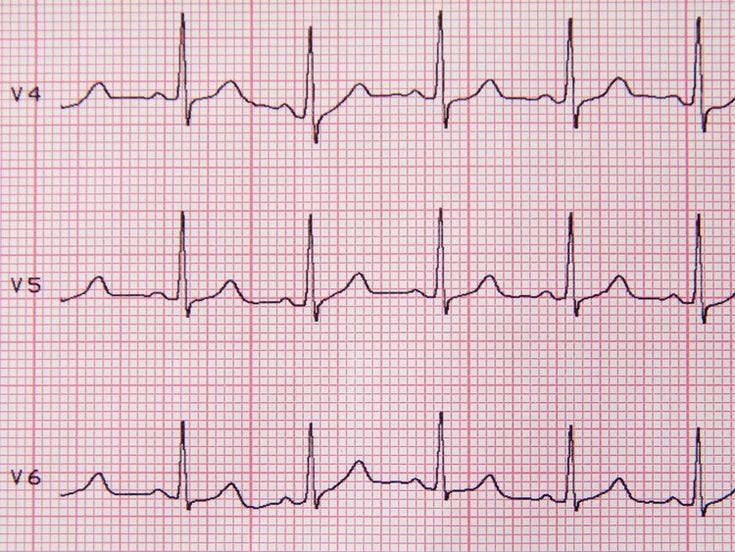
Some models include built-in ECG sensors that can record a single-lead heart rhythm, helping detect irregular patterns such as atrial fibrillation, a cardiovascular condition. These readings can even be shared directly with a GP or cardiologist, making it easier to identify issues that come and go! This type of on-the-spot data is remarkable in the medical world. Similarly for diabetes, the continuous glucose monitoring (CGM) devices allow diabetics (and some non-diabetics interested in tracking their blood sugar levels) to track their blood sugar levels…24/7. Insane! No more finger pricking three times daily? Revolutionary!
The future of health is increasingly being driven by numbers and data. And that is not such a bad thing. It adds precision and takes the guess-work out of the equation. However, that does not mean these rings and watches now replace YOUR intuition about your body and health. It still means you need to listen out for the whispers from your body or the signs it sends you when something is not right. In the next section, we will look into some of these metrics and how they can be useful for your health and wellness.
Pharmacist tip: Before relying on any health metric, always check that your device is TGA-approved for the function it claims. Many consumer devices estimate, rather than medically measure, health data. If your watch lists ECG, oxygen saturation, or blood pressure tracking, confirm its status on the TGA register, approval means the feature has been assessed and passes certain requirements to deem it a ‘medical device’.
Wellness
Which metrics are worth tracking for stress, recovery and longevity?
In the sea of data streaming from our wearables, what should we actually pay attention to? Wellness experts, often biochemists and longevity scientists, are shifting the focus from activity to resilience. Let’s start with the hottest metric in wellness right now (and one that definitely wasn’t “hot” when I studied cardiology therapeutics in pharmacy school): heart rate variability (HRV). HRV measures the variation in time between heartbeats and is one of the strongest indicators of how your nervous system manages stress. A higher HRV generally reflects good recovery, adaptability, and overall fitness; a lower HRV can signal stress, overtraining, or underlying health issues. If you have a wearable, you’ve probably already searched up your HRV history so I’ve linked further reading below to help you interpret your data and do something about it.
Sleep metrics, including sleep efficiency, deep sleep, and consistency, reveal how well your body repairs itself overnight, a key pillar of longevity and healthy ageing. I could talk about sleep all day (and often do), but in short: it’s super important. You’ll find more on that in the resources below.
Finally, trends in respiratory rate and body temperature can act as early warning signs of infection or hormonal change, though they’re not diagnostic on their own. This is where pairing your data with your body’s own signals becomes powerful. A smartwatch can tell you your heart rate is high — but only you can tell whether it’s from joy, caffeine, or anxiety. The real insight comes from connecting both: the numbers and how you feel.
What to do with your data to empower your health and wellness:
Choose 2‒3 metrics: e.g. resting heart rate, sleep and HRV
Review them weekly, not daily. Notice when your HRV dips or your sleep score drops; that’s when its time to investigate.
Ask yourself: What changed this week? Late nights? Extra workouts? More caffeine or stress? These patterns reveal where to pull back or double down.
Further learning:
Simple Tool to Boost Heart Rate Variability (HRV) | Dr. Andrew Huberman
The Science & Practice of Perfecting Your Sleep | Huberman Lab Essentials
If your numbers drift, look for small, meaningful habits to restore balance: morning sunlight, hydration, mindful breaks, or gentler movement.
Remember these numbers are signals, not verdicts. They guide your choices, helping you pursue the right kinds of stress (exercise, learning, cold exposure) and avoid the wrong kind (chronic, unmanaged pressure). True wellness lies in consistent recovery, adaptability, and respecting your unique biology.
Beauty
Can tracking help you understand your skin and stress?
Your skin is one of your body’s best storytellers. It reflects how well you’re sleeping, eating, hydrating, and recovering long before a blood test ever could. A dull or uneven tone often signals fatigue or poor sleep; persistent breakouts can point to hormonal fluctuations or stress; tightness and flaking may be your skin’s way of saying it’s dehydrated. When your barrier feels reactive, it might not just be the product you’re using, but your nervous system asking for rest.
Practical tip: Do a weekly “skin scan” in natural light. Note texture, tone, and how your skin feels after cleansing. Then link it back, how was your week? More stress? Less sleep? New supplement? These clues help you trace your skin’s patterns instead of reacting to every blemish.
Your skin isn’t superficial feedback — it’s a mirror of your internal balance. Learn its language, and it becomes one of your most honest wellness metrics.
Another fab article 🤍 especially re skin!